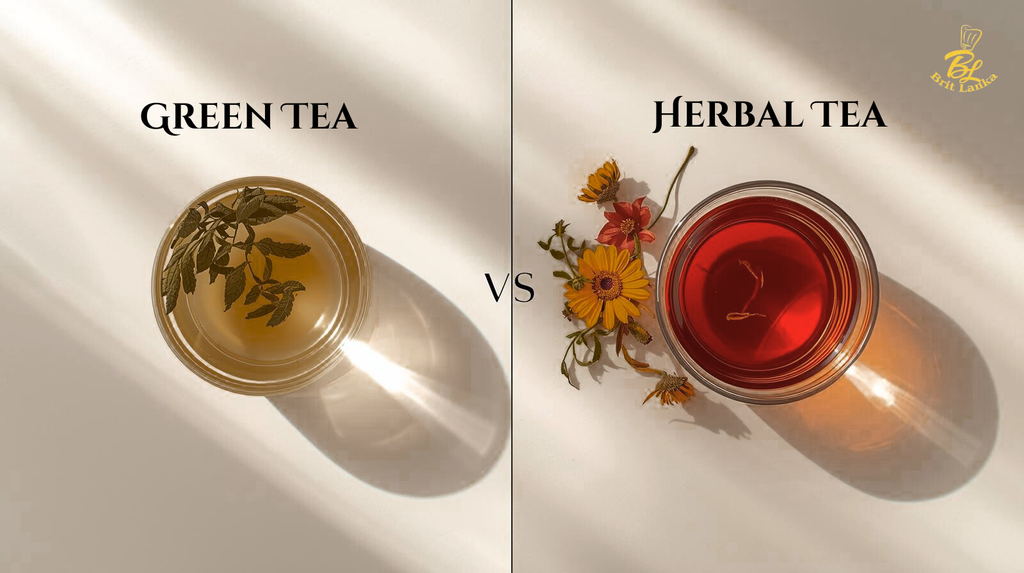
Green Tea vs Herbal Tea: Which One Should You Choose?
In the UK, tea is much more than just a drink. It's a big part of everyday life. But green tea and herbal tea are often considered the same, even though they come from completely different sources, have different tastes, and are prepared in different ways. Once you understand the differences, it's easy to choose the right tea for your needs, whether you're looking for something to start your day, keep you going through the afternoon, or help you relax in the evening.
What Is Green Tea?
Green tea comes from the leaves of the Camellia sinensis plant, which is also used for black tea. The key difference is how the leaves are treated after they're picked. They are gently heated to stop them from turning dark, which helps keep their natural green color and fresh taste.
The flavor of green tea is light and clean. Many people describe it as slightly grassy, with some tasting like nuts or flowers. It's not strong or heavy, so it's usually enjoyed without milk or sugar.
In the UK, green tea is often chosen during the day by those who like a simple, refreshing cup that doesn't feel too rich.
What Is Herbal Tea?
Herbal tea contains no actual tea leaves.It's made from dried herbs, flowers, fruits, seeds, or spices. Popular options include chamomile, peppermint, hibiscus, lemongrass, and rooibos.Since herbal tea isn't made from the tea plant, it has a lot of different flavors.
Some blends are sweet and fruity, while others are floral, earthy, or gently spiced. Because of this variety, many people enjoy trying different types.Ceylon herbal tea, which is sourced from Sri Lanka, is especially valued for its clean aroma and balanced taste.
The herbs are grown in good conditions and carefully selected before being packed. For many tea drinkers in the UK, it has become a trusted choice when looking for quality herbal blends.
Flavour and Aroma: How They Compare
| Aspect | Green Tea | Ceylon Herbal Tea |
|---|---|---|
| Aroma | Soft, light, and subtle | Clean, natural, and more noticeable |
| Flavour Profile | Mild, fresh, slightly grassy or nutty | Smooth, rounded, and well-balanced |
| Strength | Gentle and delicate | Smooth without being overpowering |
| Aftertaste | Clean finish; may become slightly bitter if over-brewed | Soft and pleasant, easy to drink |
| Best For | Daytime drinking and a simple tea experience | Everyday use and serving guests |
Brewing Tips for Better Taste
The way tea is brewed makes a noticeable difference.
Green Tea
-
Use water that is hot but not boiling (around 75–85°C).
-
Let it steep for about 2–3 minutes.
-
Avoid leaving it too long, as this can affect the taste.
Herbal Tea
-
Use freshly boiled water.
-
Steep for 5–10 minutes depending on the blend.
-
Cover the cup or teapot while it brews to keep the aroma inside.
Loose leaves or high-quality tea bags always produce a better result. Giving the ingredients space to open up allows the full flavor to come through.
When to Enjoy Each Tea
Green tea goes well with light snacks like biscuits, plain sponge cake, or simple pastries.Its mild, refreshing taste doesn't overpower the food, making it a good choice for an afternoon tea break.
Herbal tea offers more flexibility. Fruity blends go well with desserts. Floral or spiced varieties suit relaxed evenings or small gatherings. It's also convenient when serving guests, as it doesn't require milk or sugar.
Ceylon herbal tea works well for daily drinking, gifting, or sharing on special occasions. Its balanced taste makes it suitable in almost any setting.
Final Thoughts
Green tea and herbal tea differ at the botanical level. Green tea offers a light, clean, and traditional tea experience. Herbal tea provides variety, aroma, and a broader range of flavors.
If you prefer fragrant blends and enjoy trying different tastes, Ceylon herbal tea is worth considering.
Its smooth character and consistent quality make it a reliable choice for everyday drinking or sharing with others.
Related post


21
Sep